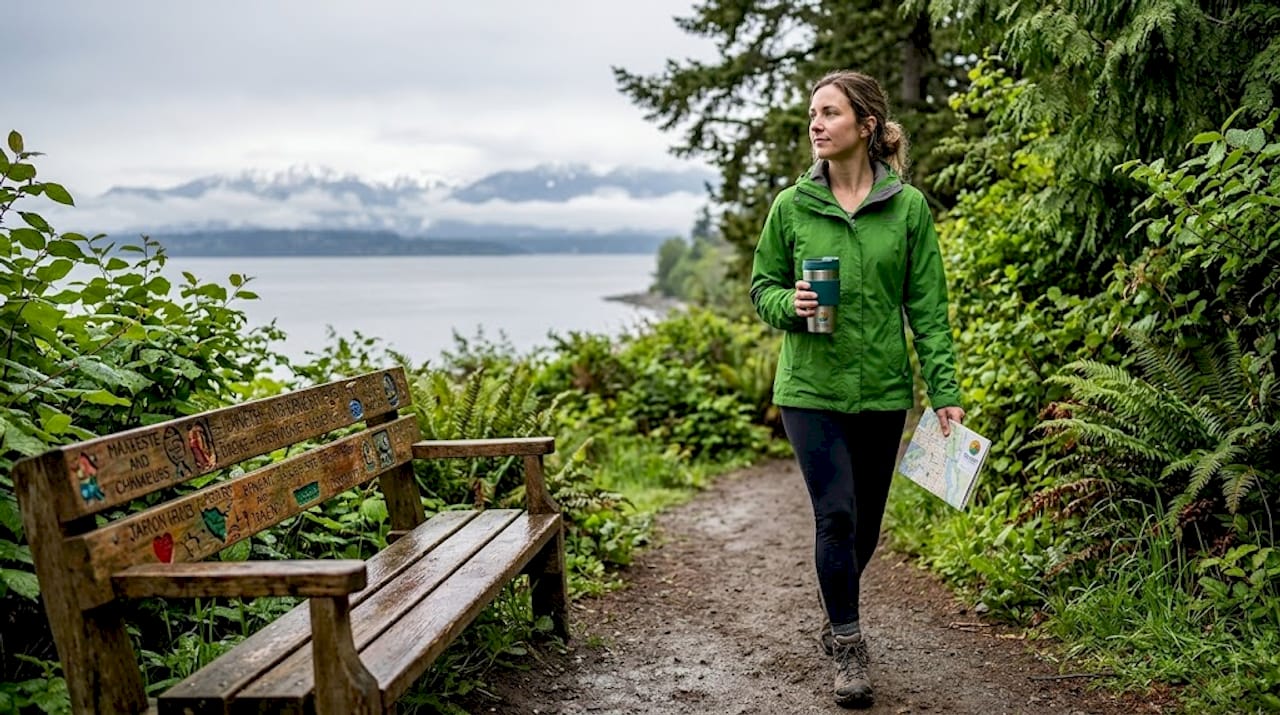
Most visitors flying into Seattle for a major sporting event spend 90% of their trip within a five-block radius of the stadium. That’s understandable. But it also means most visitors leave without knowing why explore Seattle beyond the stadium is the real question worth asking before you even pack your bag. Seattle is a city where a fish market doubles as live theater, neighborhoods feel like separate countries, and a two-hour drive deposits you inside a rainforest. The stadium is a starting point. It was never supposed to be the whole story.
Table of Contents
- Key takeaways
- Why explore Seattle beyond the stadium
- Outdoor activities near the city
- Worth the drive: day trips from Seattle
- Seattle’s 2026 Unity Loop and fan zones
- My take on what visitors consistently miss
- Discover Seattle with West Coast Tour Partners
- FAQ
Key takeaways
| Point | Details |
|---|---|
| Neighborhoods reward slow exploration | Capitol Hill, Fremont, and Ballard each offer distinct food, art, and culture scenes worth a full day. |
| Nature is minutes away | Discovery Park, Alki Beach, and Puget Sound kayaking are all accessible without a car rental. |
| Day trips deliver serious payoff | Olympic National Park and Mount Rainier are within two to three hours and change how you see the Pacific Northwest. |
| The Unity Loop is free and festive | Seattle’s 2026 pedestrian route connects four major fan hubs with public screens and cultural programming at no cost. |
| Expert-guided tours multiply the experience | Structured tours through local providers help you discover hidden history and neighborhoods you would never find solo. |
Why explore Seattle beyond the stadium
The short answer is that the stadium shows you one version of Seattle. The city shows you everything else.
Seattle’s cultural identity is shaped by a large transplanted population that has created an eclectic arts scene unlike anything you’ll find in cities built around a single industry or heritage. You can move from a gallery showing Pacific Northwest Indigenous art to a Scandinavian folk music performance to a Vietnamese-owned coffee roaster in the span of four blocks. That kind of texture doesn’t exist inside an arena.
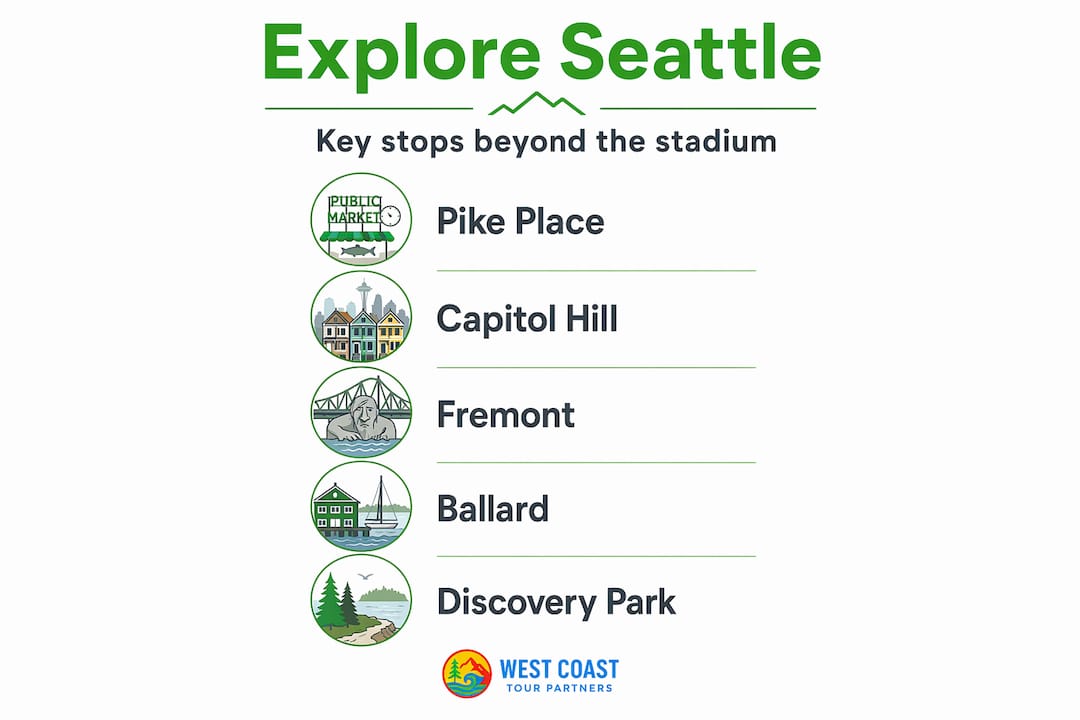
The vibrant, walkable neighborhoods of Seattle are genuinely designed for people who want to get lost in a good way. Capitol Hill pulses with independent bookstores, drag brunch spots, and live music venues that run seven nights a week. Fremont leans into its self-declared status as the “Center of the Universe” with a giant troll sculpture under a bridge and Saturday markets selling handmade ceramics and fermented hot sauces. Ballard carries a strong Nordic heritage, and the Ballard Locks connect Lake Union to Puget Sound in a way that makes you stop and stare for far longer than you planned.
Pioneer Square is Seattle’s oldest neighborhood and its most underrated. The art scene here is serious. The First Thursday Art Walk draws gallery-goers every month, and free parking is available at designated garages with gallery vouchers during event nights. The International District sits adjacent to Pioneer Square and is home to some of the best dim sum, ramen, and Vietnamese pho you will find anywhere in the country.
For cultural landmarks, Pike Place Market deserves more than a 20-minute walk-through. It’s a sensory-rich ecosystem of flower stalls, local fishmongers, cheesemakers, and street musicians that has operated continuously since 1907. Seattle Center is another essential stop, home to the Space Needle, the Museum of Pop Culture (MoPOP), and Chihuly Garden and Glass, which displays Dale Chihuly’s luminous glass sculptures in an outdoor garden that feels like walking inside a painting.
Pro Tip: Visit Pike Place Market on a weekday morning before 10am. The vendors are more relaxed, the crowds are thinner, and you’re far more likely to have a real conversation with the people who actually make the food and crafts you’re admiring.
Outdoor activities near the city
Seattle’s outdoor options hit differently than most American cities because the natural scenery is genuinely spectacular, and much of it sits within city limits or a short ride away.
- Discovery Park: The largest park in Seattle at 534 acres, with forest trails, bluff overlooks, and a working lighthouse. Early morning visits around 6 to 7am offer bald eagle sightings and sunrise views over Puget Sound with almost no other people around.
- Alki Beach: Seattle’s answer to a West Coast beach town. The promenade runs for miles with views of the Olympic Mountains across the water. Rent a bike and ride the full loop for one of the best skyline perspectives the city offers.
- Kerry Park: A small hilltop park in the Queen Anne neighborhood that gives you the postcard shot of Seattle, with the Space Needle framed against Mount Rainier on a clear day. Go at sunset.
- Waterfront Park: Freshly redesigned and stretching along Elliott Bay, this park features public art installations, waterfront dining, and direct ferry access to Bainbridge Island.
- Puget Sound kayaking: Kayak and paddleboard rentals near Fremont cost around $25 per hour, and the on-water perspective of the Seattle skyline is something photographs genuinely struggle to capture.
Pro Tip: Book your kayak rental for early evening if you can. The late Pacific Northwest summer light turns the water into something worth remembering, and the crowds thin out after 5pm.
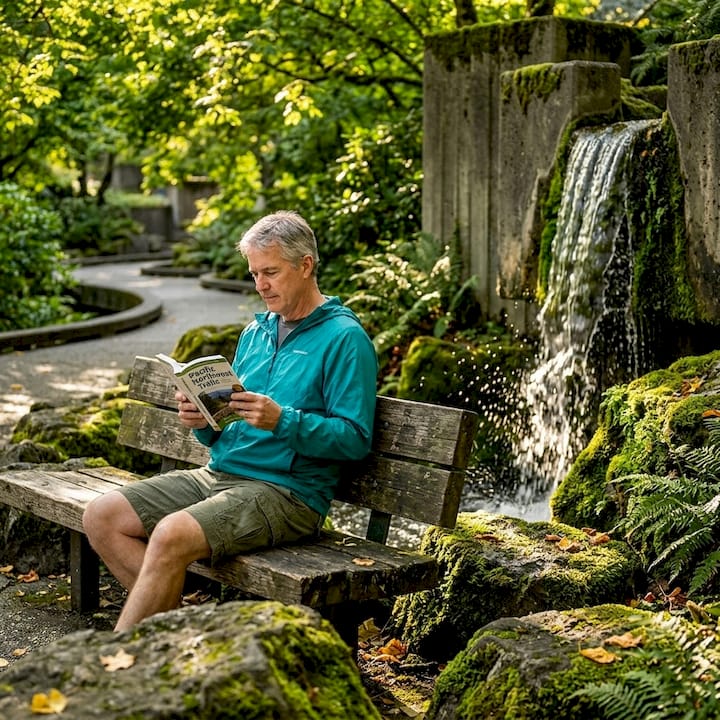
The city also has Freeway Park, a public green space built directly over Interstate 5 that features waterfalls and garden terraces. It’s a genuinely strange and beautiful piece of urban design that most visitors walk past without realizing it exists.
Worth the drive: day trips from Seattle
When you have an extra day, Seattle’s surrounding region rewards the effort of getting out of the city in a way that few urban areas in the country can match.
| Destination | Distance from Seattle | Best For | Suggested Time |
|---|---|---|---|
| Mount Rainier National Park | 2 hours southeast | Wildflower meadows, glacier hikes | Full day or overnight |
| Olympic National Park | 3 hours west | Rainforests, rugged coastline | Overnight stay recommended |
| Hurricane Ridge | 2 hours west | Mountain views, skiing in winter | Half day to full day |
| San Juan Islands | 1.5 hours north by ferry | Whale watching, kayaking, cycling | Full day or overnight |
| Snoqualmie Falls | 30 minutes east | Scenic waterfall, easy hiking | Half day |
Olympic National Park and Hurricane Ridge are two hours to three hours from Seattle depending on your route, making them realistic day trips even with a late start. The Olympic Peninsula contains temperate rainforest, alpine terrain, and wild coastline within a single park boundary, which is genuinely rare anywhere in the world.
The San Juan Islands are a different kind of escape. Take the ferry from Anacortes and you arrive in a cluster of islands where orca pods pass close to shore, local farms sell produce from roadside stands, and Friday Harbor feels like a small coastal town from another era. If you can stay overnight, do it.
For those with limited time, Snoqualmie Falls is 30 minutes east of Seattle and drops 268 feet into a mist-filled gorge. It’s one of the most visited natural landmarks in Washington State, and it takes about two hours to see properly. Pair it with a drive through the Snoqualmie Valley and lunch in the town of North Bend and you have a half-day excursion that punches well above its weight.
Seattle’s 2026 Unity Loop and fan zones
One of the smartest things Seattle did for the 2026 World Cup is design the fan experience to exist throughout the entire city, not just inside the stadium walls. The result is a pedestrian route called the Unity Loop that makes it genuinely possible to have a full match-day experience without ever buying a ticket.
The Unity Loop connects four major fan hubs with free public access and large screens during June and July 2026 events. The route links Seattle Center, Pacific Place, Victory Hall, and Waterfront Park with public art installations, food vendors, and cultural programming along the way.
Here’s what makes the Unity Loop worth your time even if you do have a stadium ticket:
- Seattle Center fan hub: Located at the base of the Space Needle, this outdoor space features large viewing screens, live music stages, and international food vendors representing the nations competing in the tournament.
- Pacific Place: The downtown retail and entertainment complex transforms into a fan gathering zone with programming, screenings, and local food and drink experiences.
- Victory Hall: A dedicated fan celebration space designed for post-match gatherings with live entertainment and interactive fan activities.
- Waterfront Park fan zone: Positioned along Elliott Bay with views of the water and the Olympics, offering an outdoor screen and family-friendly programming.
Seattle’s 2026 event strategy integrates multiple fan zones and cultural programming outside stadium walls, designed as multipurpose spaces combining sport, culture, and urban life. Host cities that use these celebration zones thoughtfully see a measurable boost in overall visitor satisfaction because guests have reasons to stay longer and explore further.
The Unity Loop also functions as an informal walking tour of downtown Seattle. If you follow it with any curiosity at all, you’ll end up discovering streets, murals, and food vendors that you never would have found looking at a tourist map.
My take on what visitors consistently miss
I’ve watched thousands of visitors come through Seattle, and the pattern is remarkably consistent. People arrive for the event, eat near the venue, and leave thinking they’ve seen the city. What they’ve actually seen is the city’s outer shell.
The neighborhoods are where Seattle actually lives. The first time I walked through Fremont on a Saturday morning, I bought a hand-thrown mug from a ceramicist who’d been at the same market stall for 15 years, watched a brass band play for tips outside a bakery, and ate the best fish tacos I’ve had in the Pacific Northwest from a cart that has no website and no reservation system. None of that appears on a stadium guide.
What I’ve learned from being embedded in Seattle’s tourism scene is that the city’s cultural richness genuinely takes time to feel. An afternoon in Capitol Hill is more memorable than a night in a sports bar near the arena for most travelers. Not because one is better than the other, but because the neighborhood gives you something to bring home that isn’t a jersey.
My honest advice: commit to one neighborhood per day and go without an agenda. Walk into the restaurant that looks full, ask the bartender what they’re drinking, and follow the noise. Seattle rewards that kind of openness in ways that even frequent visitors find surprising.
— WCTP_Systems
Discover Seattle with West Coast Tour Partners
Seattle is a city that reveals itself in layers, and having a knowledgeable guide speeds that process considerably.
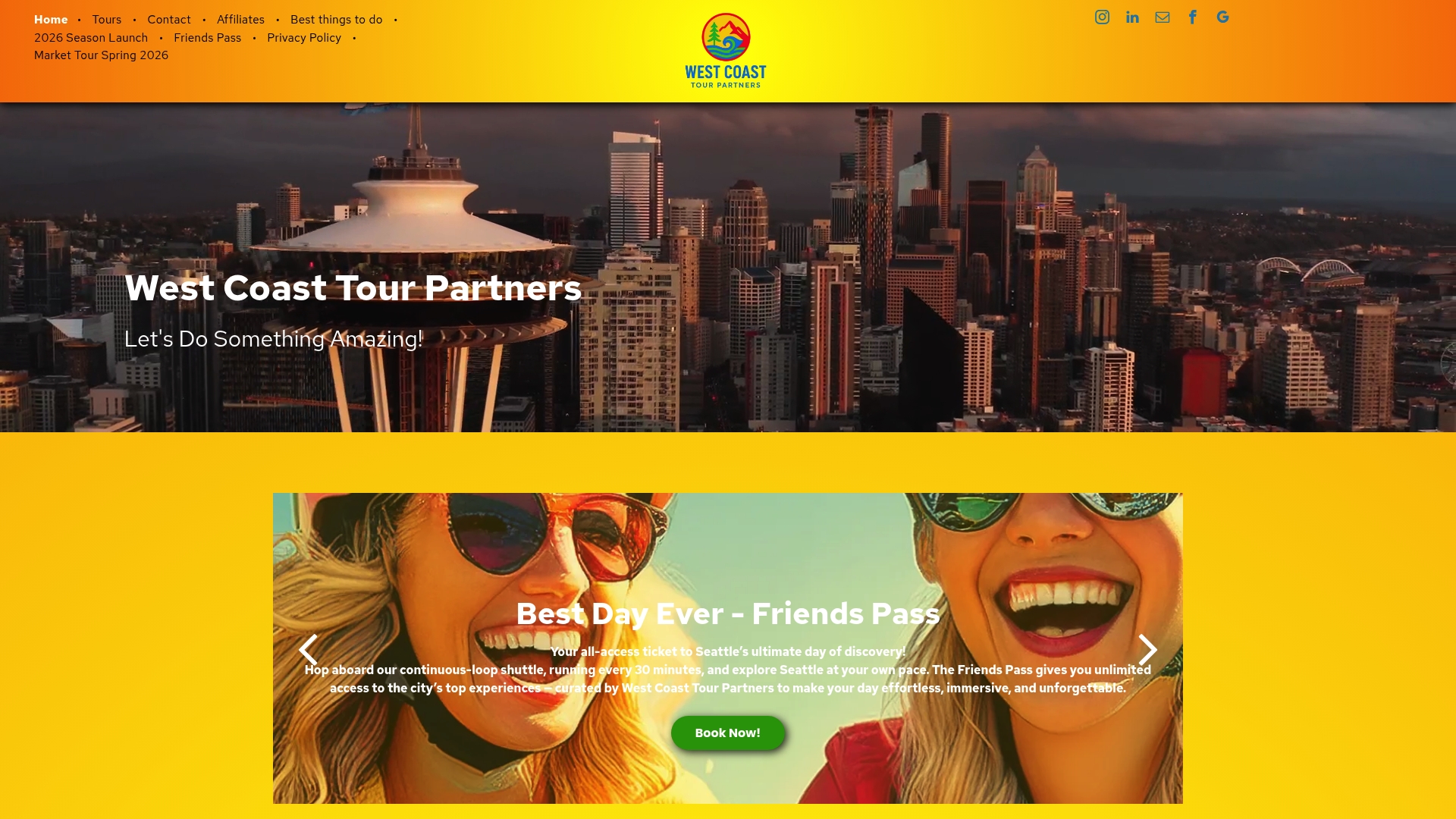
West Coast Tour Partners offers immersive, story-driven Seattle experiences designed specifically for travelers who want more than a standard tour. From the interactive Market Experience at Pike Place to ScooTours through waterfront neighborhoods and the Let’s Go Seattle! Shuttle that turns transportation into its own adventure, every experience is built to connect you with the real city. If you’re ready to discover Seattle the way locals actually experience it, explore tours and experiences at West Coast Tour Partners and start planning your visit today.
FAQ
Why should you explore Seattle beyond the stadium?
Seattle’s neighborhoods, natural parks, and cultural institutions offer experiences that stadium events simply cannot provide. The city’s food scene, art walks, and waterfront access give you a far richer and more memorable trip.
What are the best neighborhoods to visit in Seattle?
Capitol Hill, Fremont, Ballard, Pioneer Square, and the International District each offer distinct food, art, and cultural experiences worth dedicating a full day to exploring.
Is the 2026 Unity Loop free to the public?
Yes. The Unity Loop pedestrian route connects Seattle Center, Pacific Place, Victory Hall, and Waterfront Park with free public access, large viewing screens, and cultural programming during the June and July 2026 event window.
What outdoor activities are available near Seattle’s stadiums?
Kayaking on Puget Sound, hiking Discovery Park, cycling Alki Beach, and visiting Waterfront Park are all accessible within a short trip from the stadium district and offer completely different perspectives on the city.
How far is Mount Rainier from Seattle for a day trip?
Mount Rainier National Park is approximately two hours southeast of Seattle, making it a realistic full-day excursion. For the best experience, an overnight stay allows you to catch the wildflower meadows at sunrise.
Leave a Reply