Seattle packs a lot of promise into every visit, but if you follow the standard tourist circuit, you may leave feeling more exhausted than inspired. Learning to skip tourist traps during Seattle sightseeing is less about avoiding the city’s famous landmarks entirely and more about understanding which experiences genuinely deliver and which ones simply charge you for the privilege of standing in a long line. This guide cuts through the noise, offering real alternatives grounded in authentic local culture, free scenic viewpoints, vibrant neighborhoods, and a smarter approach to planning your time.
Table of Contents
- Key takeaways
- How to recognize tourist traps before you visit
- Better viewpoints and parks that actually deliver
- Navigating Pike Place Market like a local
- Local neighborhoods worth your evening
- Building your personalized Seattle itinerary
- My take on what Seattle actually rewards
- Explore Seattle differently with West Coast Tour Partners
- FAQ
Key takeaways
| Point | Details |
|---|---|
| Know the warning signs | High ticket prices, long lines, and generic experiences signal a tourist trap worth reconsidering. |
| Free views beat paid decks | Kerry Park offers an unobstructed Seattle skyline view, including the Space Needle, at no cost. |
| Timing transforms Pike Place | Visiting early morning on weekdays dramatically reduces crowds and reveals the market’s local character. |
| Neighborhoods carry the culture | Capitol Hill and Ballard deliver nightlife, food, and music experiences that locals actually use. |
| Plan free first, ticketed second | Anchoring your itinerary around parks and viewpoints before paid attractions maximizes both value and enjoyment. |
How to recognize tourist traps before you visit
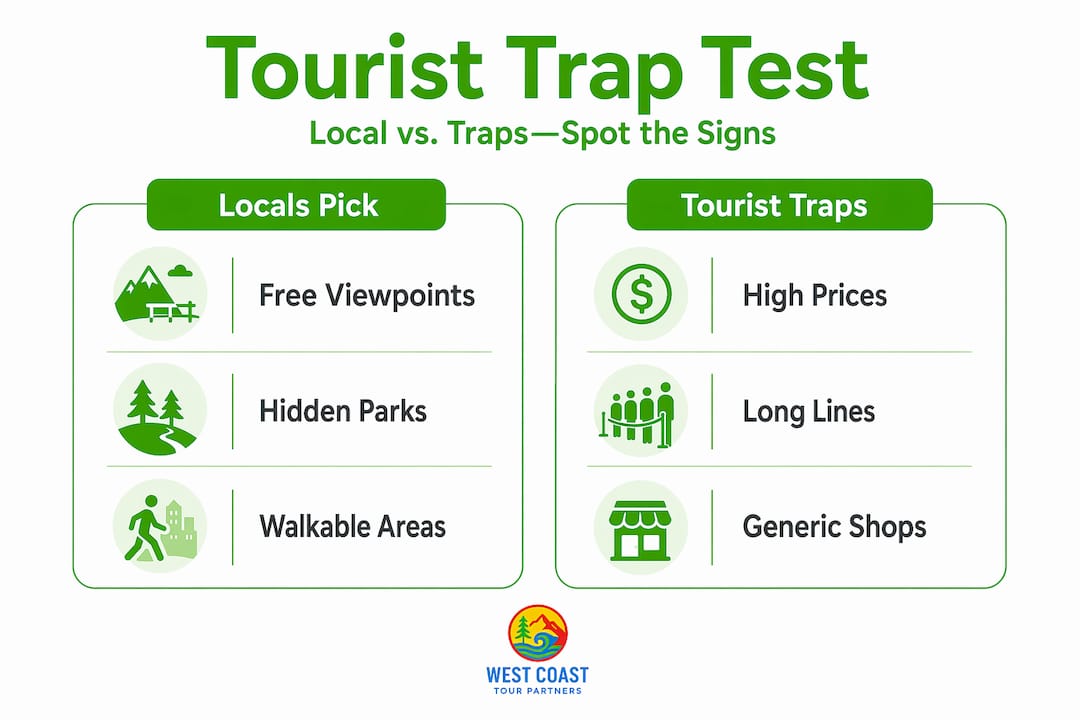
The travel industry doesn’t have an official term for “tourist trap,” but urban travel researchers and repeat visitors describe the same pattern: an attraction priced and marketed to first-timers, rarely revisited by locals, and delivering an experience that feels more like a transaction than a memory. Recognizing these before you spend your money is the real skill.
The clearest warning signs are:
- High admission with low payoff. The Space Needle costs $49 per ticket, and Seattle’s notoriously overcast skies regularly obscure the views visitors came to see. Repeat visitors consistently describe it as small and unsatisfying for the price.
- Lines that consume your itinerary. The Original Starbucks at Pike Place draws enormous crowds for a cup of coffee available at dozens of other cafes within a few blocks, with no meaningful difference in quality.
- Short duration, high cost. Chihuly Garden and Glass tickets run $26 to $35, and most visitors spend under an hour there. That’s a steep rate for a visual experience that leaves many feeling underwhelmed.
- Transportation as an “experience.” The Seattle Center Monorail runs less than a mile in two minutes. Walking the same route gives you a better feel for the city and costs nothing.
The value-based question to ask about every attraction is simple: would a well-traveled Seattle local pay this price and spend this time here? If the honest answer is no, that’s your signal to look for a better option.
Pro Tip: Before booking any paid Seattle attraction, search for it alongside the word “worth it” in reviews from the past 12 months. Repeat visitors are far more candid than first-timers who feel obligated to justify their itinerary.
Better viewpoints and parks that actually deliver
The good news is that some of Seattle’s most breathtaking scenery is completely free and far less crowded than the paid alternatives.
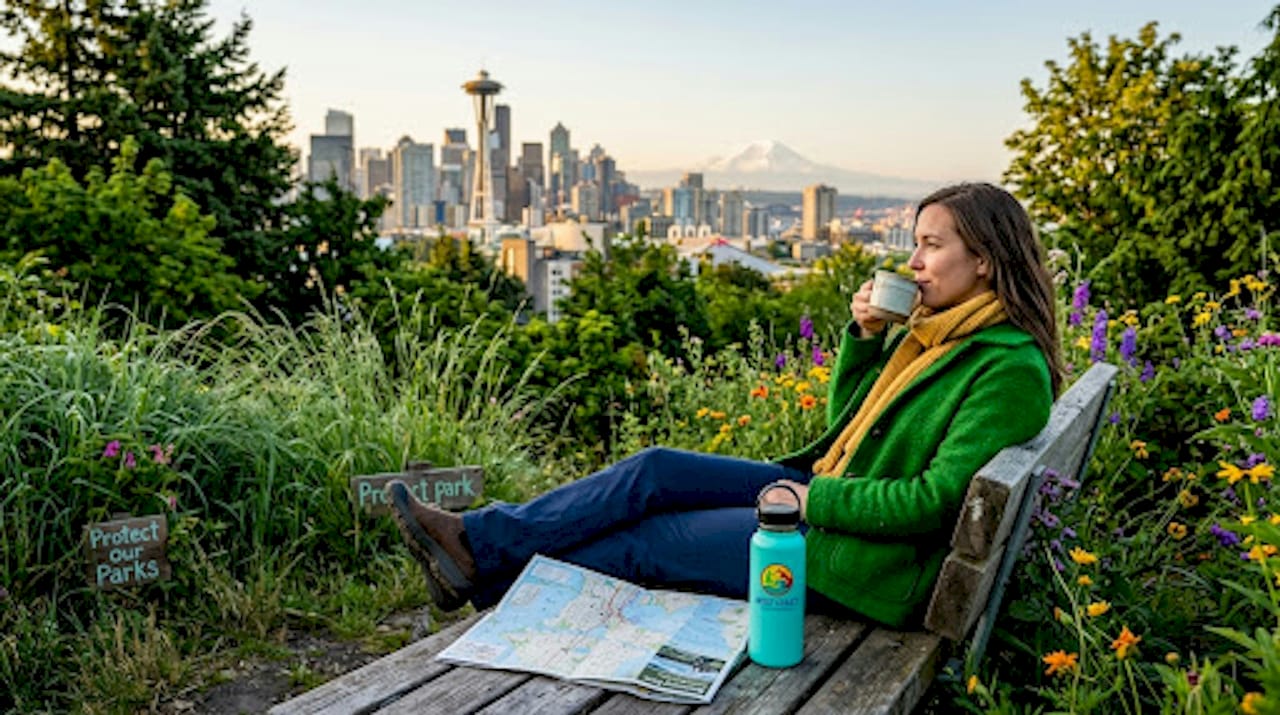
Kerry Park, a small hilltop park in the Queen Anne neighborhood, gives you one of the best views in Seattle. You get the full skyline, the Space Needle in the foreground, Elliott Bay behind it, and Mount Rainier on clear days. Not a single dollar changes hands. The park is small, so arriving early or at sunset gives you a peaceful moment that no observation deck can replicate.
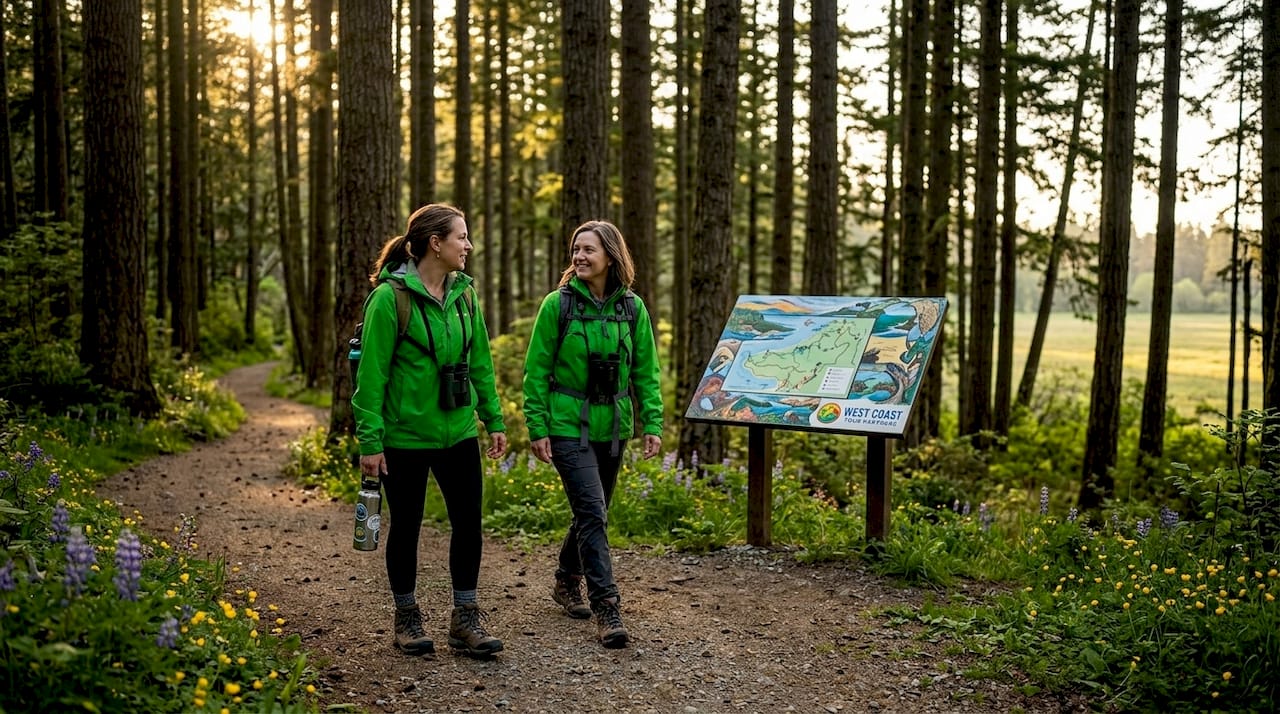
For a half-day outdoor commitment, Discovery Park is in a category of its own. With 534 acres, a 2.8-mile Loop Trail, old-growth forest sections, beaches, and a working lighthouse at the end of the walk, this park effectively replaces a half-dozen short downtown photo stops with one genuinely immersive outdoor experience.
If you want something quieter and tucked inside the city itself, Waterfall Garden Park is a well-kept downtown secret. This private park, created in 1978, pumps 5,000 gallons per minute over a 22-foot waterfall in a compact courtyard setting. It’s free during daylight hours and sits just a few blocks from the waterfront.
Here’s a quick comparison of paid versus free viewpoint options:
| Viewpoint | Cost | Crowd Level | Best Feature |
|---|---|---|---|
| Space Needle | $49 | Very high | Iconic interior experience |
| Columbia Center Sky View Observatory | $25 | Moderate | Highest public viewpoint in Seattle |
| Kerry Park | Free | Low to moderate | Full skyline with Mount Rainier backdrop |
| Waterfall Garden Park | Free | Low | Urban oasis with waterfall sound and seating |
| Discovery Park Loop Trail | Free | Low | Forest, beaches, lighthouse, and natural quiet |
Pro Tip: Kerry Park faces west-southwest, which means late afternoon light hits the skyline and Space Needle at an angle that makes photos significantly better. Plan your visit for the two hours before sunset whenever possible.
Navigating Pike Place Market like a local
Pike Place Market is absolutely worth visiting. The mistake most travelers make is not whether to go, but how they go. The market opens at 9 a.m. and runs to 6 p.m., and the gap between an early morning weekday visit and a midday weekend visit might as well be two different places.
Here’s how to approach it the right way:
- Arrive before 10 a.m. on a weekday. You’ll find vendors setting up, the fish stalls uncrowded, and the whole market operating at a pace that actually lets you talk to the people who run it. This is off the beaten path Seattle in practice, not just in theory.
- Skip the Original Starbucks line. Walk four minutes to Storyville Coffee, located right inside the market on the upper level, or head to Victrola Coffee Roasters in Capitol Hill. Both offer better coffee, a real conversation with the barista, and zero wait.
- Go downstairs. The “Down Under” section beneath the main market floor is where locally owned shops, art vendors, and quieter food stalls operate with almost no tourist foot traffic. Most visitors never find it.
- Buy something from an actual producer. The market rules require that Day Table vendors grow or make what they sell. Ask vendors directly where their products come from. That question alone changes the experience from shopping to storytelling.
- Walk, don’t drive to the market. If you’re staying downtown, parking near Pike Place adds cost and stress. The waterfront streetcar and most downtown hotels sit within an easy 10-minute walk.
Pro Tip: The Pike Place Market Foundation offers a free self-guided audio tour accessible from their website. It covers history and hidden spots that even many Seattle residents don’t know.
Local neighborhoods worth your evening
Pioneer Square often disappoints visitors who arrive expecting an authentic neighborhood vibe. Outside of sports game nights, it skews quiet and tourist-facing, with bars that optimize for volume over character.
The neighborhoods where locals actually spend their evenings tell a very different story:
- Capitol Hill is Seattle’s most culturally dense neighborhood. The stretch along Broadway and Pike/Pine corridors offers live music venues, independent restaurants, bookstores, and coffee shops that have defined Seattle’s character for decades. It’s walkable, vibrant, and entirely local-facing.
- Ballard has a more relaxed, Scandinavian-influenced feel with a strong brewery culture and a fishing-town history that still shows in its architecture and waterfront. The Ballard Locks see over a million visitors annually, but unlike most high-traffic Seattle attractions, the Locks deliver a genuinely unique working-waterfront experience. Watching vessels move between Puget Sound and Lake Union through a functioning lock system is free, educational, and surprisingly captivating.
- The Ballard Farmers Market, open Sundays year-round, is one of the city’s best. It’s year-round, community-focused, and filled with the kind of local food producers and artisan vendors who make Seattle’s food culture worth talking about.
The pattern you’ll notice across all these neighborhoods is the same one that defines authentic local experiences everywhere: the places locals return to week after week are the ones worth building your trip around.
Building your personalized Seattle itinerary
Anchoring your itinerary around free viewpoints and nature-based experiences before any ticketed sights is the single most effective way to avoid wasting your budget on things that underdeliver.
Here’s a practical framework for a two or three-day visit:
- Start with Kerry Park on your first morning. Get your skyline photo, orient yourself visually to the city, and spend the money you saved not buying a Space Needle ticket on a real meal instead.
- Use the rest of morning one for Pike Place Market. Arrive early, go downstairs, buy something from a producer, and grab coffee from somewhere other than the famous green sign.
- Dedicate afternoon one to a neighborhood. Walk Capitol Hill’s Pike/Pine corridor. Have dinner somewhere the locals recommend, not somewhere the hotel concierge defaults to.
- Reserve day two for Discovery Park. Bring water and comfortable shoes. The 2.8-mile Loop Trail) takes two to three hours at a comfortable pace and ends at the West Point Lighthouse with water views in both directions.
- Plan any ticketed attractions last. If the Columbia Center Sky View Observatory still interests you after Kerry Park, book it. If Chihuly Garden and Glass is genuinely on your list, go. But experience the free city first so you’re making that decision with context.
| Day | Morning | Afternoon | Evening |
|---|---|---|---|
| Day 1 | Kerry Park + Pike Place Market | Capitol Hill walk and shops | Dinner on Pike/Pine corridor |
| Day 2 | Discovery Park Loop Trail | Waterfall Garden Park downtown | Ballard neighborhood and breweries |
| Day 3 | Ballard Farmers Market (Sunday) | Columbia Center Observatory (optional) | Pioneer Square (game night only) |
My take on what Seattle actually rewards
I’ve watched hundreds of visitors spend their first Seattle trip chasing a checklist built by marketing departments. The Space Needle photo, the Starbucks cup, the Great Wheel ticket. And I understand the pull. These places exist in our cultural shorthand for Seattle the way the Eiffel Tower exists for Paris.
But here’s what I’ve learned from watching repeat visitors and genuine explorers experience this city: Seattle rewards curiosity far more than compliance. The visitors who come back from Kerry Park at sunset with Mount Rainier glowing behind the skyline have something the observation deck visitors don’t. Not just a better photo. A real memory that belongs to them.
The same thing happens in Capitol Hill at 9 p.m. on a Thursday, or on the Discovery Park) beach trail when the trees open up and the lighthouse comes into view. These moments don’t have a ticket price because no one figured out how to monetize the feeling of stumbling into something genuinely beautiful.
My honest advice is this: spend your first hour in Seattle getting above it for free. Spend your first evening in a neighborhood that doesn’t know you’re a tourist. Everything after that will feel better.
— WCTP_Systems
Explore Seattle differently with West Coast Tour Partners
You’ve got the framework. Now let’s make it real. West Coast Tour Partners specializes in exactly this kind of experience, turning Seattle sightseeing into something story-driven, interactive, and genuinely memorable rather than just another checklist item.
The Market Experience takes you through Pike Place Market with a guide who knows the vendors by name, the hidden history behind the stalls, and exactly where to find the food worth eating. The Let’s Go Seattle! Shuttle connects you from the waterfront to the neighborhoods with entertainment and local context built into every ride. ScooTours give groups a playful, high-energy way to cover waterfront areas and neighborhoods on two wheels. If you’re ready to stop watching Seattle and start experiencing it, explore our Seattle tours and find the adventure that fits your trip.
FAQ
What are the biggest tourist traps in Seattle?
The Space Needle, the Original Starbucks line at Pike Place, and Chihuly Garden and Glass are frequently cited by repeat visitors as overpriced or underwhelming. The Seattle Center Monorail covers under a mile in two minutes and offers little beyond a brief novelty.
Is Kerry Park really better than the Space Needle?
For views of the Seattle skyline, Kerry Park is a free, highly recommended alternative that many photographers and locals prefer. You see the Space Needle as part of the skyline rather than from inside it, with Mount Rainier as a backdrop on clear days.
When is the best time to visit Pike Place Market?
Early morning on weekdays, before 10 a.m., significantly reduces crowd intensity and gives you a more authentic market atmosphere. The market opens at 9 a.m., and vendors in the quieter “Down Under” section keep their own varied hours.
Which Seattle neighborhoods are best for authentic local culture?
Capitol Hill and Ballard are the neighborhoods locals favor for nightlife, dining, music, and community events. Pioneer Square tends to be more tourist-facing and is liveliest on sports game nights rather than as a general destination.
Is Discovery Park worth the trip from downtown Seattle?
Discovery Park’s 534-acre size and 2.8-mile Loop Trail offer an outdoor experience that no downtown attraction can match. The trail ends at a working lighthouse with views of Puget Sound, and the entire park is free to visit.
Leave a Reply