
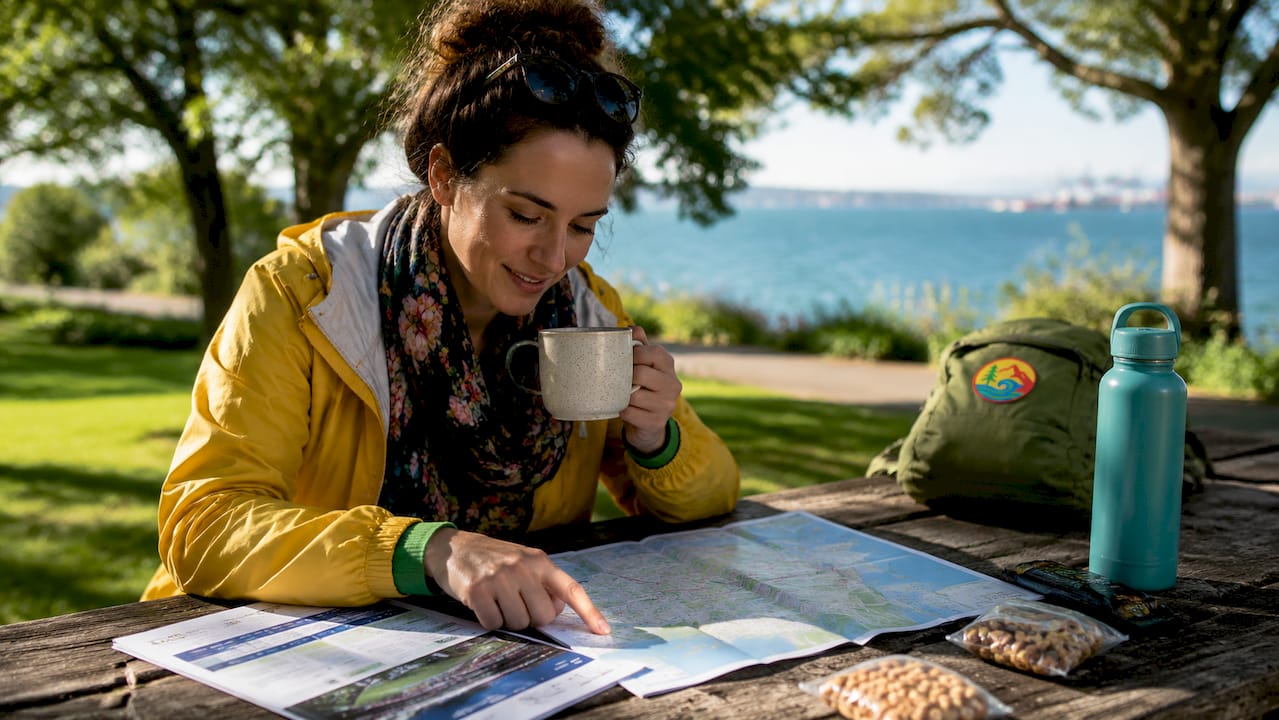
Aligning your Seattle sightseeing with the city’s match schedule is the single most effective way to avoid crowds, maximize attractions, and experience the city’s electric World Cup energy without wasting a single hour. Seattle’s compact downtown places Lumen Field, Pike Place Market, the Space Needle, and four official fan zones within a walkable corridor, which means smart timing separates a frustrating day from an unforgettable one. The Visit Seattle World Cup guide structures its entire trip-planning framework around this principle, using match-day itineraries anchored to downtown proximity and fan zones. Whether you have one match day or several, this guide gives you the tools to plan your Seattle visit with confidence.
How to plan Seattle sightseeing around match schedule and fan zones
The geography of Seattle’s match-day experience is more concentrated than most visitors expect. Lumen Field sits at the southern edge of downtown, placing it within easy walking distance of Pioneer Square, the waterfront, and the central business district. That proximity is the foundation of every good Seattle travel itinerary built around a match.
Seattle hosts four official fan zones along the Unity Loop: Seattle Center to the north, Waterfront Park along the central waterfront, Pacific Place in the retail core, and Victory Hall in SoDo near the stadium. Each zone is free and accessible, which means you can treat them as both entertainment hubs and sightseeing waypoints rather than choosing between the two.
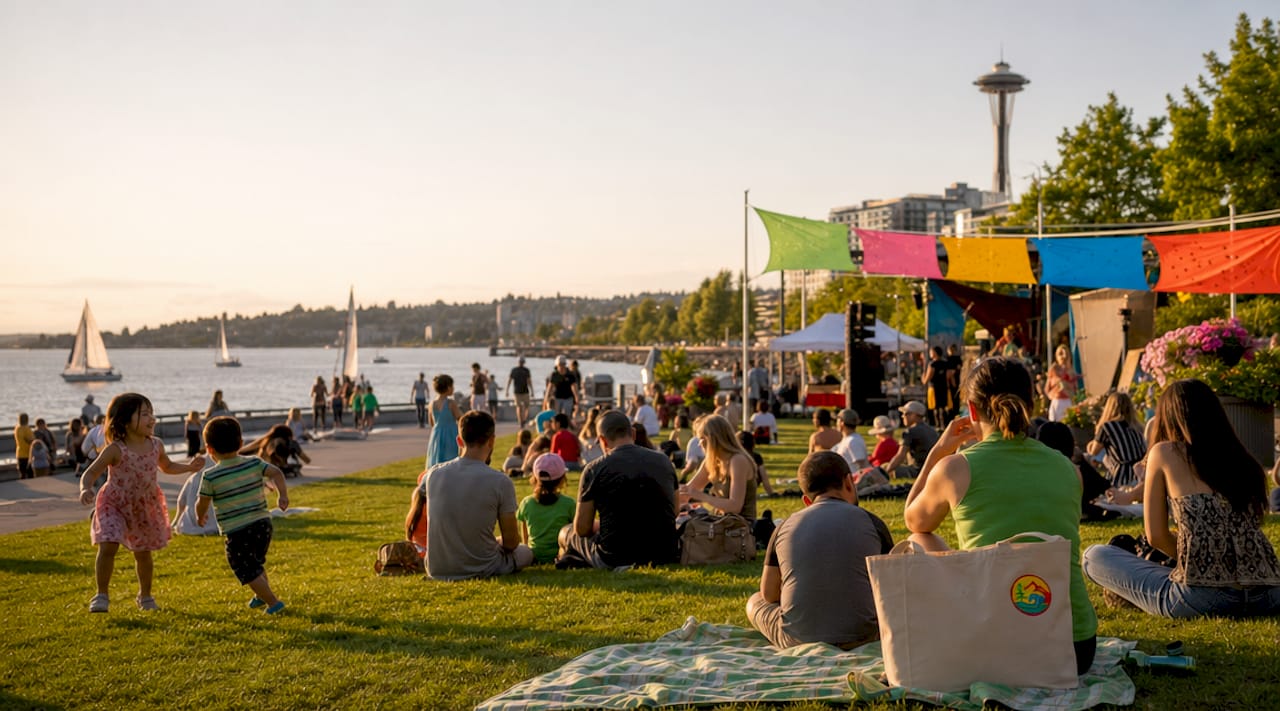
The table below maps each fan zone to its nearest major attraction, so you can build a geographic plan before you arrive.
| Fan zone | Nearest major attraction | Distance on foot |
|---|---|---|
| Seattle Center | Space Needle, MOPOP | On-site |
| Waterfront Park (Pier 62) | Pike Place Market, Seattle Aquarium | 5 to 10 minutes |
| Pacific Place | Westlake Center, downtown retail | Adjacent |
| Victory Hall, SoDo | Lumen Field, SoDo breweries | 2 to 5 minutes |
The Space Needle and Museum of Pop Culture at Seattle Center offer a full morning of sightseeing before fan zone celebrations begin in the afternoon. Waterfront Park’s Pier 62 hosts ADA-accessible viewing events and family programming throughout the tournament, making it one of the most versatile stops on any Seattle sightseeing itinerary. Anchoring your must-see list along this corridor simplifies navigation on match days and removes the guesswork from your schedule.
How does Seattle’s transit system work on match days?
Public transit is not just a convenience on match days in Seattle. It is the only practical way to move efficiently between sightseeing spots and the stadium. Parking near Lumen Field is extremely limited, and traffic congestion around Pioneer Square begins hours before kickoff. The ORCA card, available for purchase at Link Light Rail stations, costs $3 per ride or $6 for an All-Day PugetPass that covers unlimited transit. That $6 pass is one of the best-value decisions you can make for a full match day.
Link Light Rail connects the University District, Capitol Hill, downtown, and the stadium area in a single continuous line. The Stadium Station stop places you steps from Lumen Field and within a short walk of Pioneer Square and the waterfront fan zones. For visitors coming from Seattle-Tacoma International Airport, the same Link line runs directly into downtown, so you can arrive, load your ORCA card, and begin sightseeing without touching a rideshare app.
The Seattle Department of Transportation (SDOT) designates Pioneer Square as a pedestrian-only zone starting four hours before kickoff, with street closures and a single north-gate stadium entry point opening three hours prior. Streetcar stops in the area shift during this window, so check the SDOT blog or the MyORCA app before you leave your hotel. A new bike lane on Yesler Way connects Pioneer Square to the waterfront for cyclists, and valet bike and scooter parking is available at designated spots to keep pedestrian zones clear.
- Purchase your ORCA card or load your PugetPass at any Link Light Rail station before match day.
- Ride Link to Capitol Hill or Westlake for morning sightseeing, then transfer toward Stadium Station as kickoff approaches.
- Check SDOT’s real-time updates for street closure timing and adjusted streetcar stops.
- Use the Yesler Way bike lane if you are cycling between the waterfront and Pioneer Square.
- Plan your post-match exit via Link rather than waiting for rideshares, which surge in price and availability after final whistles.
Pro Tip: Load your ORCA card with the $6 All-Day PugetPass the night before your match day. Stations get crowded on game mornings, and having your pass ready lets you skip the line and start sightseeing immediately.
What are the best timing strategies for sightseeing on match days?
The most common mistake match-day visitors make is treating sightseeing and the match as two separate events. The better approach is to treat the entire day as one connected experience with distinct phases. Heavy foot traffic and entertainment near the stadium begin building three to four hours before kickoff, which means near-stadium sightseeing in Pioneer Square works best in the morning before that window opens.
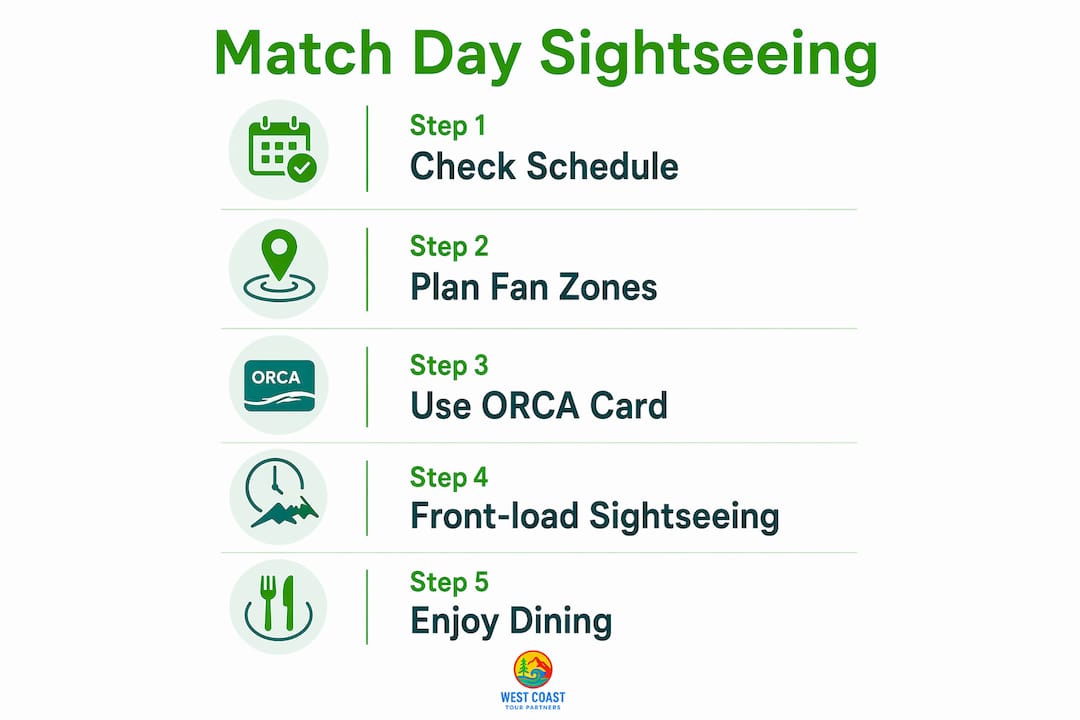
Here is a proven scheduling pattern for a full match day in Seattle:
- Morning (8 to 11 a.m.): Start at Waterfront Park or Pike Place Market. Both are within a five-minute walk of each other and are significantly less crowded before fan zone programming begins. The market’s fish vendors, flower stalls, and food vendors are at their most vibrant in the morning.
- Midday (11 a.m. to 2 p.m.): Travel north along the Unity Loop to Seattle Center. The 4.25-mile loop connects Lumen Field to Seattle Center, letting you move linearly between attractions and fan celebrations without backtracking. Visit the Space Needle or MOPOP during this window before the Seattle Center fan zone fills up.
- Early afternoon (2 to 4 p.m.): Return south toward Pioneer Square or Pacific Place. Grab a meal, explore the historic architecture of Pioneer Square, or browse the shops at Pacific Place before the pedestrian zone activates.
- Pre-match (4 p.m. to kickoff): Join the fan zone closest to your energy level. Victory Hall in SoDo puts you steps from the stadium. Waterfront Park is calmer and more family-oriented. Both deliver the match-day atmosphere without requiring you to be inside the stadium early.
- Post-match: Head directly to Link Light Rail at Stadium Station. Trains run frequently after matches, and the platform fills quickly, so move with purpose.
Pro Tip: Front-load your sightseeing. The best places in Seattle near the stadium, including Pioneer Square’s historic architecture and the waterfront, are most enjoyable before the pre-match crowd surge. By 3 p.m. on a match day, those streets belong to the fans.
How to weave neighborhood dining and culture into your match-day itinerary
Seattle’s neighborhoods near the stadium offer far more than stadium food. Pioneer Square alone contains some of the city’s most interesting dining, including Café Hitchcock for coffee and pastries, Top Pot Doughnuts for a Seattle institution, and Nirmal’s for Indian cuisine in a historic brick building. These spots are best visited in the morning or early afternoon before the pedestrian zone activates and lines form.
The Chinatown-International District sits directly east of Pioneer Square, accessible on foot in under ten minutes. This neighborhood offers dim sum, Vietnamese pho, and Japanese ramen at a fraction of downtown prices, and its cultural depth makes it one of the most rewarding stops on any Seattle travel itinerary. The Wing Luke Museum, located in the heart of the district, tells the story of Asian Pacific American communities in the Pacific Northwest with genuine depth and care.
South Lake Union, a short Link ride north of downtown, is home to the Museum of History and Industry (MOHAI), which sits on the edge of Lake Union with waterfront views and rotating exhibits on Seattle’s past. Capitol Hill, one stop east on Link, offers Cal Anderson Park for a quiet rest between activities, along with some of the city’s best independent coffee shops. Both neighborhoods are worth building into your schedule for off-peak match times, particularly on days when you are not attending a match and want to explore Seattle without the downtown crowds.
SoDo, the industrial neighborhood surrounding Lumen Field, has quietly developed a cluster of urban wineries and casual dining spots that cater to the pre and post-match crowd. Checking out eSIM connectivity options before you arrive also helps you stay connected to real-time transit updates and fan zone schedules across all these neighborhoods without relying on spotty roaming plans.
- Pioneer Square: Café Hitchcock, Top Pot Doughnuts, Nirmal’s, historic architecture, and underground tour access
- Chinatown-International District: Wing Luke Museum, dim sum, pho, ramen, and cultural markets
- South Lake Union: MOHAI, Lake Union waterfront, tech campus architecture
- Capitol Hill: Cal Anderson Park, independent coffee shops, Pike-Pine corridor dining
- SoDo: Urban wineries, casual sports bars, proximity to Lumen Field
Key takeaways
Efficiently planning Seattle sightseeing around a match schedule requires using the Unity Loop, ORCA card, and fan zone geography as a single connected system rather than treating each element separately.
| Point | Details |
|---|---|
| Front-load near-stadium sightseeing | Visit Pioneer Square and the waterfront before 2 p.m. to avoid match-day crowd surges. |
| Use the Unity Loop as your itinerary spine | The 4.25-mile loop connects Lumen Field to Seattle Center, linking fan zones and attractions linearly. |
| Buy the $6 All-Day PugetPass | This single purchase covers all Link Light Rail and bus travel on match days, removing transit friction. |
| Treat fan zones as sightseeing stops | Seattle Center, Waterfront Park, Pacific Place, and Victory Hall each sit beside major attractions. |
| Explore neighborhoods beyond downtown | Chinatown-International District and Capitol Hill offer culture and dining away from match-day congestion. |
Why the fan zone map changed how I think about match-day travel
When Seattle announced four distributed fan zones instead of one central hub, most visitors I spoke with were confused about which one to choose. My honest read is that the expansion was the smartest logistical decision the city made. Spreading celebrations across Seattle Center, Waterfront Park, Pacific Place, and Victory Hall decentralizes crowds in a way that genuinely enriches the sightseeing experience. You are not fighting 40,000 people for the same sidewalk.
The ORCA card is underrated as a planning tool, not just a payment method. When you treat it as your scheduling anchor, as the thing that determines how freely you can move between zones, your entire day becomes more fluid. Visitors who commit to transit and walking consistently have better days than those who try to drive or rely on rideshares. The pedestrian zone controls around Pioneer Square can feel disorienting if you encounter them without warning, but if you know they activate four hours before kickoff, you can plan around them rather than react to them.
My strongest advice is to resist the urge to save the “best” sightseeing for after the match. Post-match Seattle is loud, crowded, and transit-heavy. The city is at its most enjoyable in the morning hours before the fan energy peaks. Use that window for Pike Place Market, the waterfront, and Pioneer Square. Save the fan zones for the afternoon, and let the match itself be the evening’s main event. That sequencing consistently produces the best visitor experiences I have seen.
— WCTP_Systems
Explore Seattle with West Coast Tour Partners on match days
West Coast Tour Partners builds Seattle experiences specifically for event travelers who want more than a standard city tour. The company’s Let’s Go Seattle! shuttle connects cruise terminals, Waterfront Park, Pike Place Market, and downtown hotels with entertainment-style hosting built into every ride. For match-day visitors, that means you get city orientation, local storytelling, and transport all at once.
ScooTours and The Market Experience by West Coast Tour Partners are both designed to fit into the morning and midday windows before match-day crowds peak, placing you at the city’s best spots at exactly the right time. If you want a stress-free way to see Seattle’s top attractions before kickoff, explore Seattle tours with West Coast Tour Partners and find the experience that fits your schedule. You can also review World Cup connectivity tips to stay connected across all fan zones and transit stops throughout your visit.
FAQ
What is the best time to sightsee near Lumen Field on match days?
The best window for near-stadium sightseeing is before 2 p.m., when Pioneer Square and the waterfront are accessible and uncrowded. Street closures and pedestrian zone activation begin four hours before kickoff, so morning visits to these areas are strongly recommended.
How do I get around Seattle on match days without a car?
Link Light Rail and the ORCA card are the most efficient options. A $6 All-Day PugetPass covers unlimited transit on match days, connecting the airport, downtown, Capitol Hill, and Stadium Station on a single line.
What are the four official fan zones in Seattle for World Cup 2026?
Seattle’s four fan zones are Seattle Center, Waterfront Park at Pier 62, Pacific Place in the retail core, and Victory Hall in SoDo. Each zone is free, accessible, and positioned near major sightseeing attractions along the Unity Loop.
Can I walk between fan zones and major attractions?
Yes. The Unity Loop is a 4.25-mile walking route that connects Lumen Field to Seattle Center, linking all four fan zones and major attractions including the Space Needle, MOPOP, and Waterfront Park without requiring transit.
Is Pioneer Square accessible on match days?
Pioneer Square becomes a pedestrian-only zone starting four hours before kickoff, with street closures and a single north-gate stadium entry point. Sightseeing in the area is best completed in the morning before those restrictions take effect.
Leave a Reply